
Through the Ashes of Layoffs: A Bungie Developer's Poetic Reflection on Resilience and Unfinished Dreams
Bungie's studio layoffs and Destiny 2 expansion, The Final Shape, reveal bittersweet triumph and industry upheaval, blending pride with poignant loss.
The air still smells of freshly printed severance papers and unspoken goodbyes. Here I stand, amidst the hollowed-out cubicles that once buzzed with the electric dreams of The Final Shape, an expansion we poured our souls into, a triumph by every metric. Yet, less than two months after its launch, the axe fell, silent and brutal, cutting through 220 of us—17 percent of a family severed. How does a studio celebrate its greatest victory while simultaneously mourning its deepest loss? The contradiction hangs in the air, a bitter aftertaste to our success.
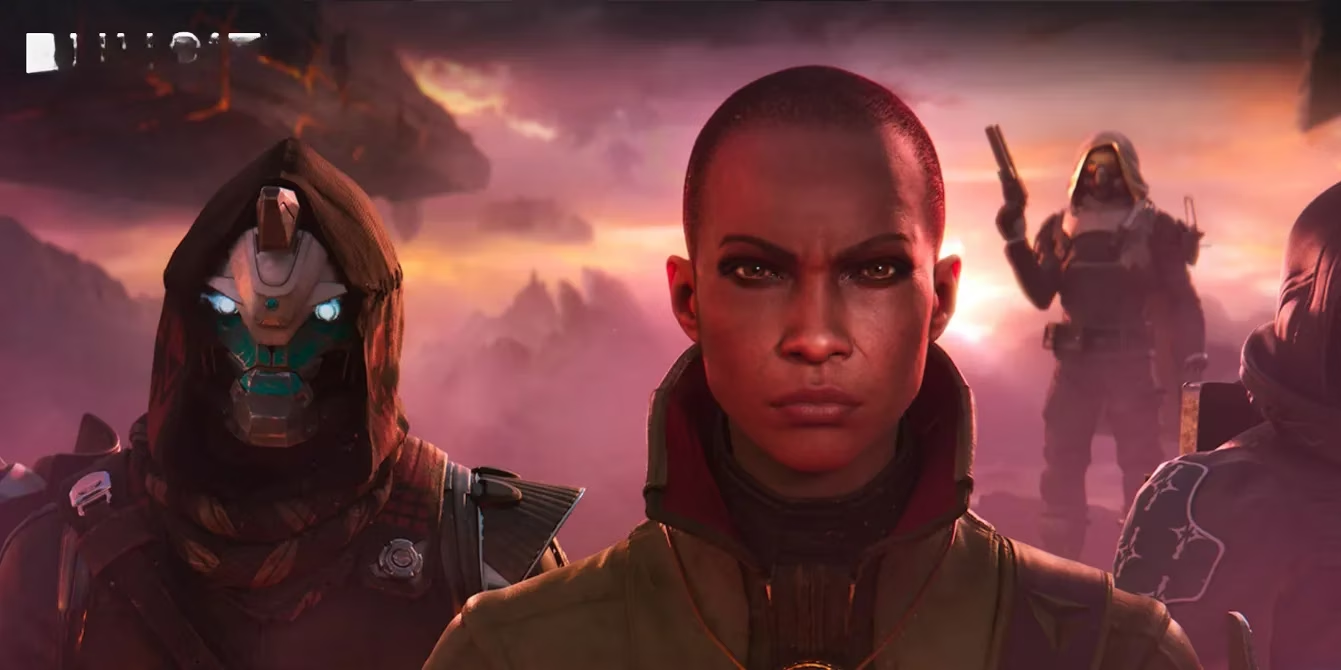
The CEO called it a "necessary cost-cutting measure," a phrase that rings cold in ears still hearing the echoes of collaborative triumph. We were "overly ambitious," they said. We "stretched our talent too thin." And so, teams were erased entirely, not pruned, but uprooted. And for another 12 percent, a different fate: assimilation into the vast machinery of Sony Interactive Entertainment, a move promised to stem further bleeding. But is integration salvation, or merely a slower dissolution? The question lingers, unanswered.
And then, the surreal sight: the career page, updated in this new, quieter reality. Four beacons in the gloom:
-
Destiny Gameplay Designer (Senior to Staff)
-
Marathon Principal Product Manager, Live & Commerce
-
Marathon Weapons Designer (Mid to Senior)
-
Release Manager
Two for Marathon, the future PvP extraction shooter that promises a new dawn. One for Destiny 2, the living universe we just bled for. One for marketing. The optics, as they say, are not ideal. It feels like watching new seedlings being planted in soil still warm from a controlled burn. Necessary? Perhaps. A poignant symbol of an industry's relentless, often cruel, metabolism? Undeniably.
This was not our first winter. Just last October, the chill came too, making us the fourth Sony subsidiary to shiver that month. The gaming world has been gripped by a sustained frost for years now. They blame the pandemic's hiring spree, the economic downturn, the "instability." They point to Lightfall's disappointing performance. Yet, in hushed tones, we point elsewhere—toward management decisions, toward unsustainable scaling, toward spending habits that seemed disconnected from our tightening belts. Could this have been avoided? In our hearts, we whisper, yes, at least somewhat. The admission of over-ambition feels less like an apology and more like an epitaph for our misplaced trust.
Yet, what survives the fire? Not just empty desks and open reqs, but something more profound: pride. A stubborn, defiant pride in the work. I think of my former colleague from QA, her voice on social media, not filled with bitterness, but with genuine excitement for the next Destiny 2 raid. "I'll probably still play it at launch," she said. Isn't that the most powerful testament of all? The creation transcends the creator's turmoil. The worlds we built together—the lush, impossible landscapes, the perfect weight of a hand cannon, the intricate dance of a raid encounter—they persist. They are our legacy, more permanent than any employment contract.
So, where does that leave me, standing in this aftermath? The studio breathes, but its rhythm is altered. It hires for its future (Marathon) while tending to its monumental past (Destiny). It's a studio in transition, caught between the painful lessons of overreach and the undeniable pull of unfinished stories and new worlds to forge. The journey ahead for Bungie is no longer just about crafting perfect gameplay loops or expansive narratives; it is about healing, about rebuilding trust, about proving that the soul of this place wasn't laid off with the 17 percent.
For those of us who remain, in body or in spirit, the work continues. Not just the work of coding and designing, but the work of remembering, of honoring the silence where familiar laughter once was, and of finding the resilience to believe in the next dream, even when the foundation still feels shaky. The Final Shape was an ending for a story, but for Bungie, this is not an end. It is a fractured, painful, and profoundly human interlude. And from these ashes, what will we choose to build next? Only time, and the relentless, hopeful hearts of gamers and developers alike, will tell.