
TenZ’s Retirement Blueprint: From Valorant Icon to Content Creation
TenZ’s Valorant retirement reshapes esports, as the former Sentinels star trades elite competition for streaming and content creation.
Tyson TenZ Ngo’s retirement from competitive Valorant sent shockwaves through the esports community in September 2024, and by 2026 the move remains a defining case study in how a superstar can leave the server without leaving the spotlight. The former Sentinels star, a Masters Reykjavík and Masters Madrid winner, closed the door on his playing career at 23, citing exhaustion with the grind required at the highest level and a long-held desire to build a life as a streamer and content creator. His decision placed him in a familiar lineage of esports professionals who traded practice schedules and tournament pressure for broadcast rooms, brand partnerships, travel, and a different kind of competitive arena: attention.
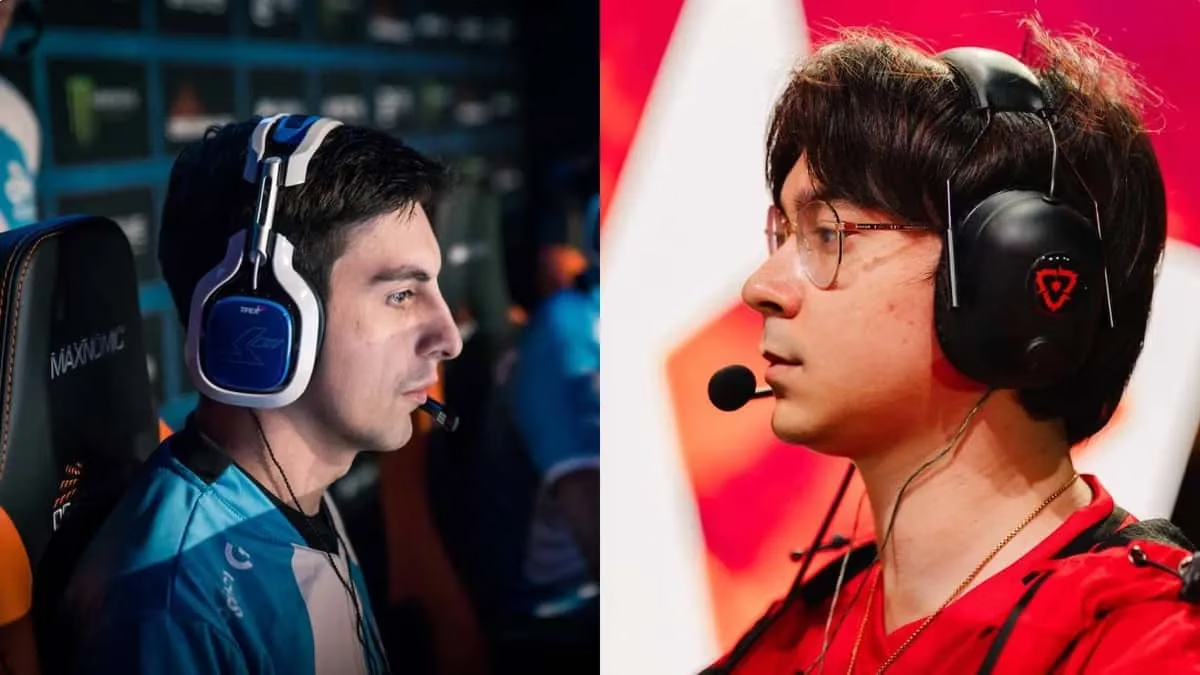
A departure unlike any other
TenZ was not simply another pro stepping away. He was the face of his esport. The Canadian was the first professional Valorant player, making the jump while on Cloud9’s CS:GO bench, and he won the first major international Valorant event in 2021. He was routinely swarmed with requests to swap jerseys and play with other pros at events, and many current top players describe him as an idol and the reason they began their own professional journeys. That status makes his retirement more high-profile than the exits of players who had already built massive followings before leaving competitive play.
His reasoning, however, is deeply familiar. TenZ said he had always wanted to be a streamer and content creator, and that professional play arrived almost naturally because he grinded the game so intensely. He put in the effort, became good enough to be called a professional-level talent, and then discovered that the daily demands of elite competition were no longer the life he wanted. That explanation echoes Michael shroud Grzesiek, who retired from Counter-Strike in 2018 at the same age of 23 to focus on streaming. Shroud noted that there is no rule book for becoming a professional video game player, and that one day a competitor simply wakes up trying to figure out how to write a retirement statement.
The blueprint TenZ follows
Shroud is the closest comparison. Both Canadians built enormous followings with Cloud9, both retired at 23, and both cited a desire to move away from the competitive grind. After retirement, shroud played mostly games outside Counter-Strike, hopping to the most popular titles of the month while keeping to his FPS roots. TenZ has said he will mostly stick to Valorant for his streams, but a temporary switch to Deadlock or another popular title would surprise no one. The content-creator playbook rewards flexibility, and TenZ has the audience to experiment.
A return to esports is also not out of the question. TenZ has expressed a willingness to suit back up if Sentinels need him, and retired pros with large followings have returned for short stints before. Shroud stepped in as an emergency substitute to bring hype back to the Sentinels brand after a disastrous 2022 season. The Delta Fox Challengers team offered another example, consisting solely of retired League of Legends pros with big Twitch followings. Such moves are less about a full comeback and more about event-driven storytelling, fan service, and competitive nostalgia.
| Player | Original game | Retirement age | Post-pro direction |
|---|---|---|---|
| TenZ | Valorant | 23 | Streaming, travel, events, possible Sentinels return |
| shroud | Counter-Strike | 23 | Variety streaming, brief Sentinels substitute stint |
| tarik | Counter-Strike to Valorant | n/a | Valorant content and event appearances |
| xQc | Overwatch | n/a | Variety streaming far beyond original roots |
What comes next
Expansion outside the game that made them famous has been a priority for many former esports players, and TenZ should be no different. He can try to become one of the faces of a new title, much like tarik has done with Valorant, or expand into different areas of content such as IRL streaming. Unlike tarik and shroud, however, TenZ seems excited to get out into the world and try different avenues. While both tarik and shroud appear content to sit at home and grind games for their massive audiences, TenZ said in his retirement video that he wants to travel and attend events he could not make time for as a pro. That puts him more in the realm of xQc, who massively outgrew his Overwatch roots.
📊 The blueprint for a select few former pros seems to be to outgrow the esport they came from. Whether TenZ can or will do that remains to be seen. Either way, it would be no surprise if he was set for life off the back of his legendary Valorant career, and he will be sorely missed in the pro scene.
A void and an opening
For the Valorant pro scene, TenZ leaves a huge void for his region as a player everyone looked up to. That is a little scary for the future of the esport in some ways, but it also leaves plenty of room for a new prodigy to step in and make a name as the next face of Valorant. 🎮 The retirement of a defining star does not end a scene; it reshapes it, creating space for new rivalries, new storylines, and new idols. In 2026, TenZ’s move still stands as both a farewell and a template, showing how one of the brightest stars can hang up his mouse and keyboard while remaining central to the conversation.
The following breakdown is based on reporting from The Verge - Gaming, whose industry coverage often frames streamer-led career pivots as part of a broader shift in how gaming personalities build long-term relevance beyond competition. In TenZ’s case, that perspective helps explain why stepping away from pro Valorant did not diminish his influence; instead, it positioned him to convert elite-player prestige into a wider media presence shaped by content, appearances, and audience loyalty.