
How ZywOo and Team Vitality Conquered IEM Cologne 2024 and Built a Lasting Legacy
IEM Cologne 2024, the Cathedral of Counter-Strike, saw Team Vitality and ZywOo claim glory in an electrifying, fiercely competitive event.
If you ask any Counter-Strike fan what the most iconic non-Major event looks like, the answer is almost always IEM Cologne. Back in the summer of 2024, the tournament once again lived up to its billing as the “Cathedral of Counter-Strike”, hosting one of the final premium clashes before the Perfect World Shanghai Major. That August, Team Vitality walked into the sacred halls of the LANXESS arena carrying the weight of a season without a major trophy. When the confetti fell, they walked out with the IEM Cologne 2024 championship and a freshly minted $1 million prize, while their superstar AWPer ZywOo clutched the MVP award in a performance that felt both inevitable and legendary.
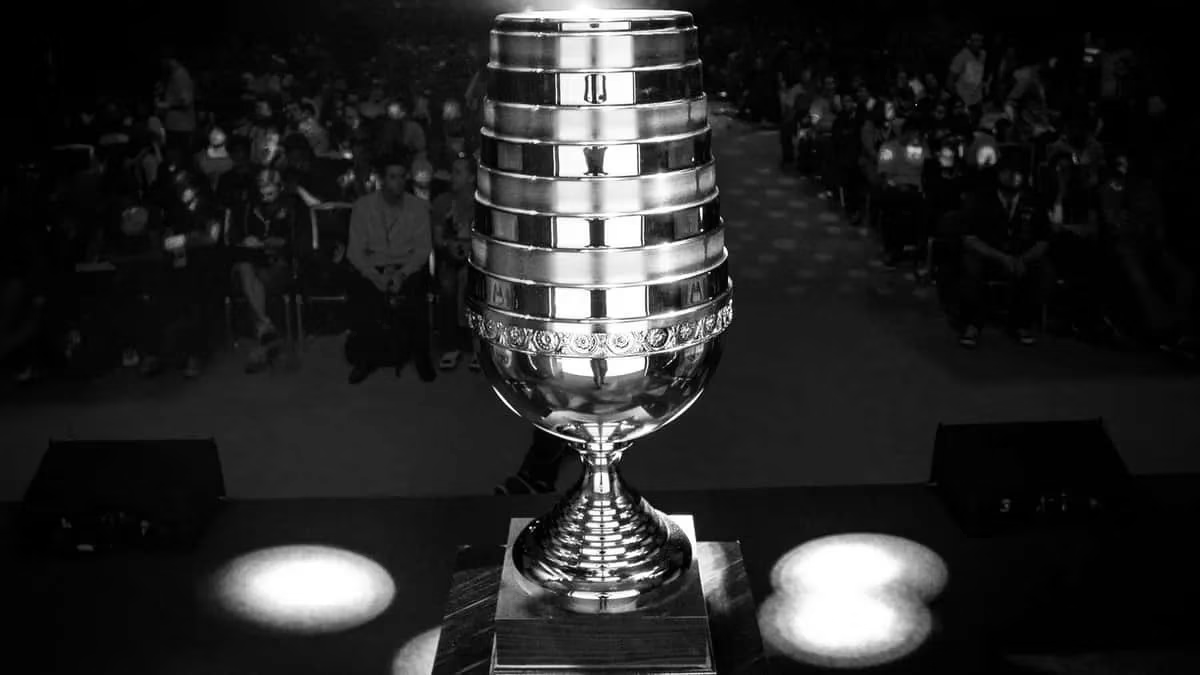
ESL had gone all out in marketing this edition, weaving in highlight reels of historic Cologne moments, from s1mple’s gravity-defying shots to ZywOo’s own earlier sparks. The tagline was everywhere, and the community bought in completely. For Vitality, lifting the trophy in that atmosphere was more than a cathartic triumph—it was a statement that their French-Danish roster could reach the absolute pinnacle again in Counter-Strike 2.
Even more telling was what happened off the server. Dexerto caught up with the founders of Team Vitality right after the grand final, and their message was crystal clear: they wanted to build the franchise around ZywOo for the next ten years. At the time it sounded like the kind of ambitious proclamation that gets walked back after a couple of rough seasons. But as we sit here in 2026, looking back at the road map that started with that Cologne run, it’s obvious they meant every word.
A Format Worthy of the Cathedral
One of the reasons IEM Cologne 2024 felt so brutally competitive was the tournament format. ESL ditched best-of-one matches entirely—yes, even in the Play-in stage. Every series was a best-of-three from the moment teams loaded into the server. That decision immediately raised the stakes: no lucky map picks, no fluke upsets sneaking through on a single showing.