
Destiny 2 vs The First Descendant: Clash of the Free-to-Play Titans in 2026
Destiny 2 vs The First Descendant delivers thrilling sci-fi action and looter-shooter excitement, each offering unique lore and gameplay experiences.
In the bustling arena of free-to-play online looter-shooters, two distinct titans have carved out their territories by 2026. On one side stands Destiny 2, the seasoned veteran with years of cosmic warfare under its belt, while on the other emerges The First Descendant, the flashy newcomer trying to make its mark. At first glance, they might seem like distant cousins from the same sci-fi family—both feature humanity's last stand against apocalyptic threats, powered by superhuman champions. But oh boy, when you peel back the layers, they're telling very different stories and asking for very different commitments from their players.
The Narrative Landscape: Epic Lore vs. Chaotic Simplicity
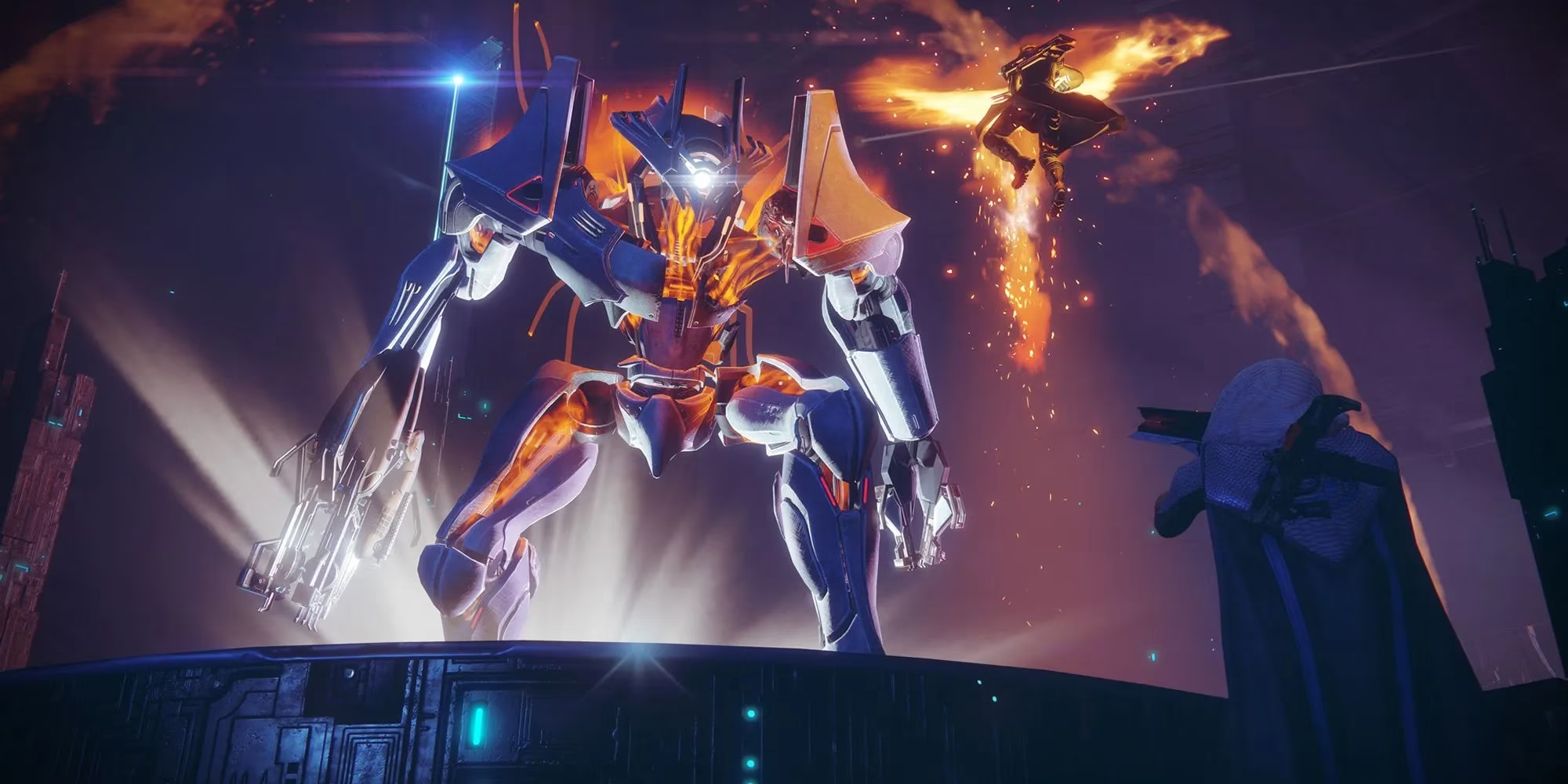
Destiny 2's story is like that complicated fantasy novel series your friend won't stop recommending—daunting at first, but surprisingly coherent once you dive in. Bungie crafted a universe with actual blueprints, building a conflict between Light and Dark that has spanned galaxies and generations. The Traveler, that giant mysterious sphere hovering over the Last City, isn't just set dressing; it's the source of the Light that transforms select humans into Guardians. These space wizards then use their powers to battle the Darkness in its many forms—from the Hive to the Vex to the latest cosmic threat. Sure, the plot threads sometimes feel intentionally loose to make room for the next expansion, but at least they're woven into a tapestry that feels... planned.
The production value here is no joke either. Cinematic campaigns, voice-acted characters who actually develop (and sometimes die), and lore tabs that could fill a library—Destiny 2 wants you to care about its world. It's not perfect storytelling (let's be real, the narrative delivery has had its awkward phases), but there's substance beneath the space magic.
Meanwhile, The First Descendant's plot is like someone threw sci-fi tropes into a blender and forgot to put the lid on. Humanity fights the Vulgus from "the other world," a random event gives random people specific superpowers, and now they're called Descendants. There's talk of artificial hearts that might help somehow, an ancient AI that wants to assist, and Ancestors who are important because... well, they're ancestors. It's all delivered with the narrative coherence of a dream you try to explain after waking up. Players quickly learn that the real fun begins when you stop trying to follow the story and just enjoy the spectacle. As one veteran player puts it, "The sooner you treat the plot like background noise at a cosmic rave, the better time you'll have."
Building Your Champion: Customization vs. Collection
Here's where the games fundamentally diverge in their philosophy. The First Descendant takes the "hero shooter" approach—instead of creating your own character, you collect pre-made Descendants like trading cards. Each comes with their own personality, backstory, and ability kit. Want to switch from a tanky brawler to a nimble sniper? Just pick a different Descendant from your roster before a mission. It's convenient, sure, but there's a catch: most of these characters are locked behind grind-walls or premium currency. You're not so much building a unique hero as you are picking which pre-built sports car to drive today, then adding your preferred decals.
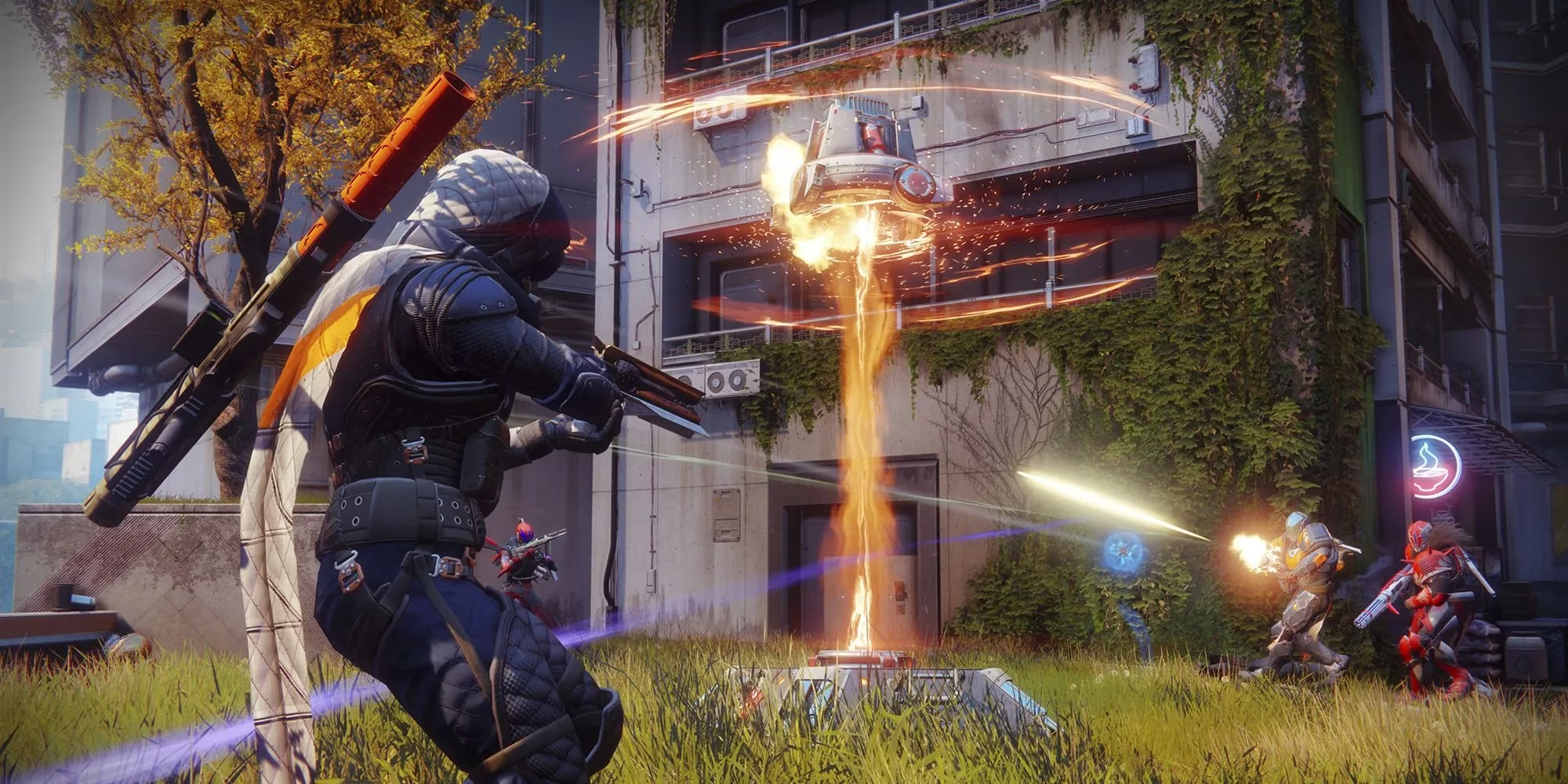
Destiny 2, in contrast, is all about that personal touch. From the moment you create your Guardian, you're making choices that feel meaningful (even if some are purely cosmetic). You select their species (Human, Awoken, or Exo), their appearance, and most importantly, their class: Titan, Hunter, or Warlock. This isn't just aesthetic—each class plays dramatically differently, with unique movement abilities, class-specific gear, and combat philosophies. The customization deepens with subclasses (Solar, Arc, Void, Stasis, and Strand as of 2026), each offering distinct super abilities and gameplay loops.
Your loadout becomes your character's voice in Destiny 2. Since your Guardian doesn't speak much (the "strong, silent protagonist" approach), your weapon choices, armor mods, and ability combinations do the talking. Are you a Solar Warlock raining fiery hell from above? A Void Hunter turning invisible to revive teammates? The game gives you the tools to craft that fantasy. The equipment system is so deep that entire online communities exist just to theory-craft the perfect builds—it's a game within the game.
The Dance of Destruction: Combat Philosophies
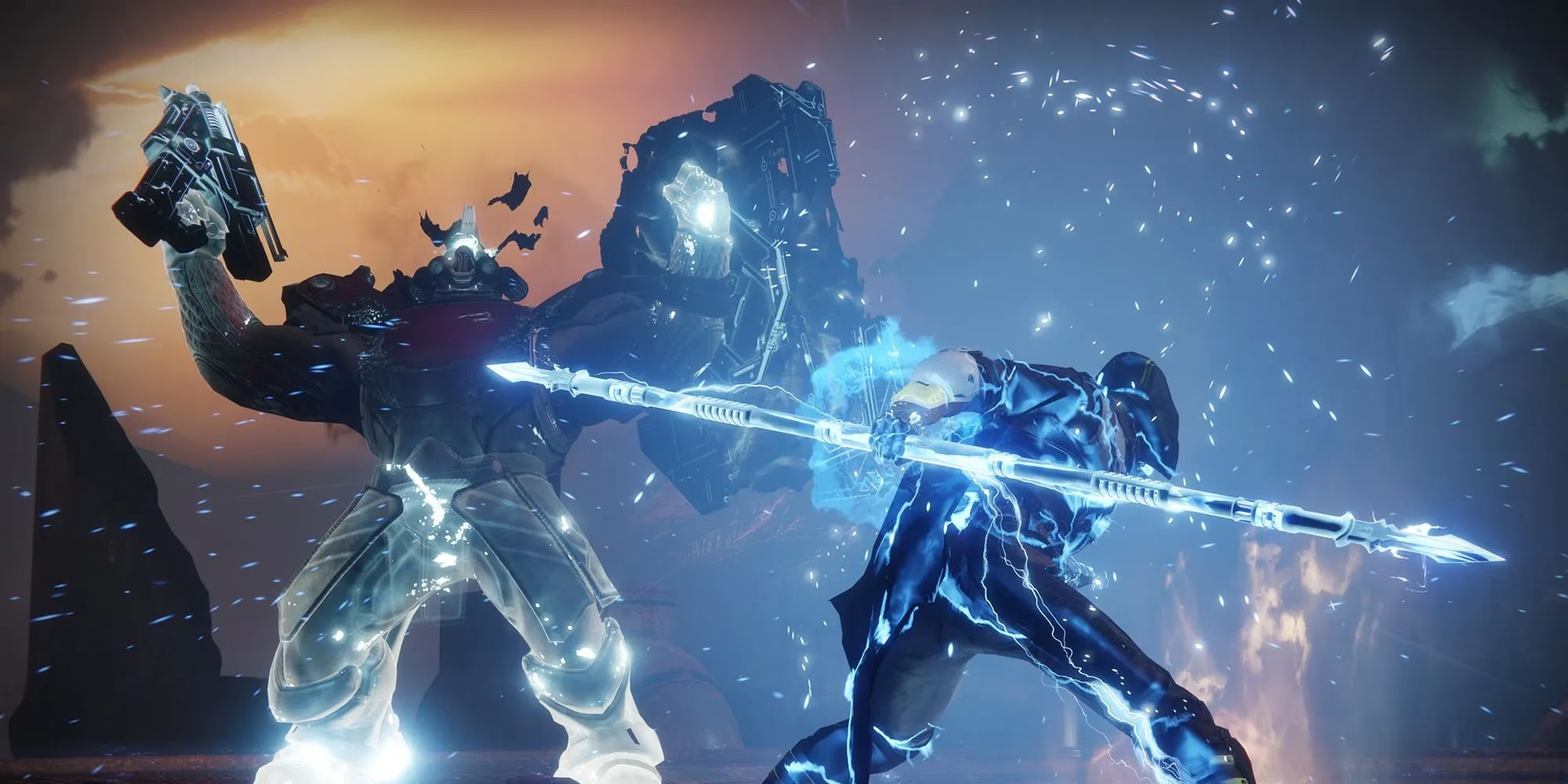
Combat is where these games either sing or stumble, and Destiny 2's experience shows. Bungie brought years of Halo pedigree to the table, and it shows in the gunplay—weapons have weight, shots feel impactful, and movement is crisp. The combination of shooting, ability usage, and super moves creates a rhythm that's hard to match. Whether you're double-jumping over enemy fire, sliding into cover, or unleashing a Nova Bomb that evaporates a crowd, the feedback is consistently satisfying. The addition of vehicles, grappling hooks (via the Strand subclass), and environmental interactions keeps movement engaging even years into the game's life.
The class system ensures variety too. Titans punch things with seismic force, Hunters dodge with acrobatic flair, and Warlocks... well, they float menacingly while bending reality to their will. Each feels distinct, and the synergy between classes in team activities is where Destiny 2 truly shines.
The First Descendant tries to compete here, but it's playing a different game entirely. Combat often feels tuned for group play first, with solo players facing overwhelming odds against relentless enemies. Some Descendants can handle solo content reasonably well, but others feel like they're waiting for an invitation to the party—they need teammates to truly function. The game does have moments of brilliance, particularly in its Colossus fights: massive open-area battles where you grapple around like a sci-fi Spider-Man while whittling down a building-sized boss. These moments show real potential, but they're islands of excellence in a sea of uneven balance.
The enemy AI doesn't help matters. Behavior can shift unpredictably, with foes sometimes standing around confused or other times swarming with terrifying coordination. It creates a chaotic experience that can be fun with friends but frustrating alone.
Staying Connected: Online Infrastructure
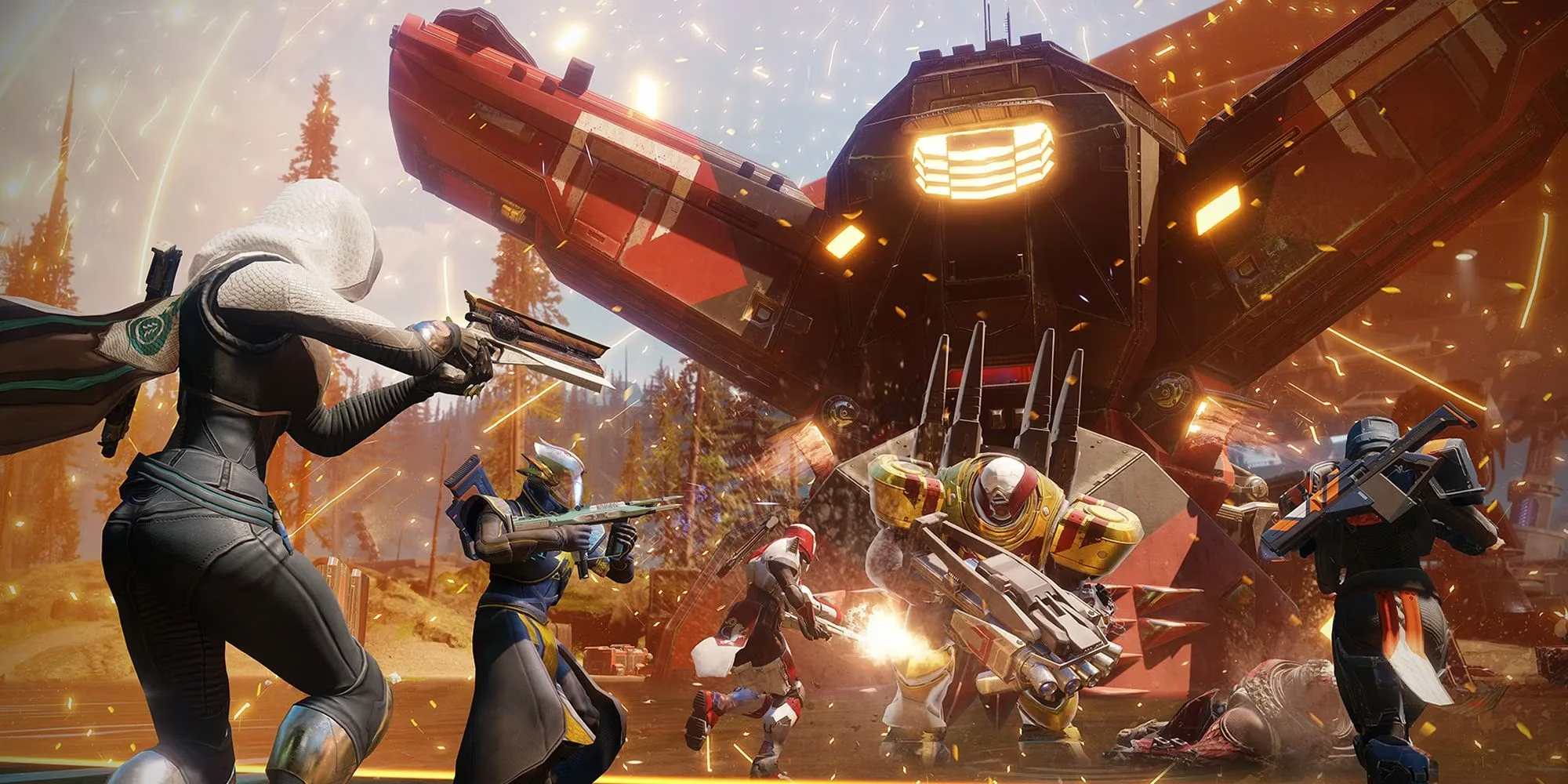
For always-online games, stability isn't a luxury—it's the foundation. Destiny 2 has had over a decade to reinforce its infrastructure, and it shows. Server stability is generally reliable, cross-platform play works seamlessly (you can team up with friends on PC, PlayStation, or Xbox without hiccups), and the digital world feels consistently alive. Even during major content launches or seasonal events when player numbers spike, the experience remains smooth for most. Bungie's commitment to keeping this cosmic machine running is impressive, especially considering how much the game has expanded since its launch.
The First Descendant... well, let's just say it's still finding its footing. Server instability plagues the experience, particularly during hectic missions where chaos is the main ingredient. Character lag, rubber-banding enemies, and synchronization issues can turn what should be epic battles into frustrating slideshows. Then there's the shader system—every time you boot up the game, it needs to load these graphical elements, and sometimes they decide to crash the whole party before you even get started. It's the kind of technical roughness that early live-service games often face, but in 2026, players have higher expectations.
Gateway or Gauntlet? Accessibility Compared
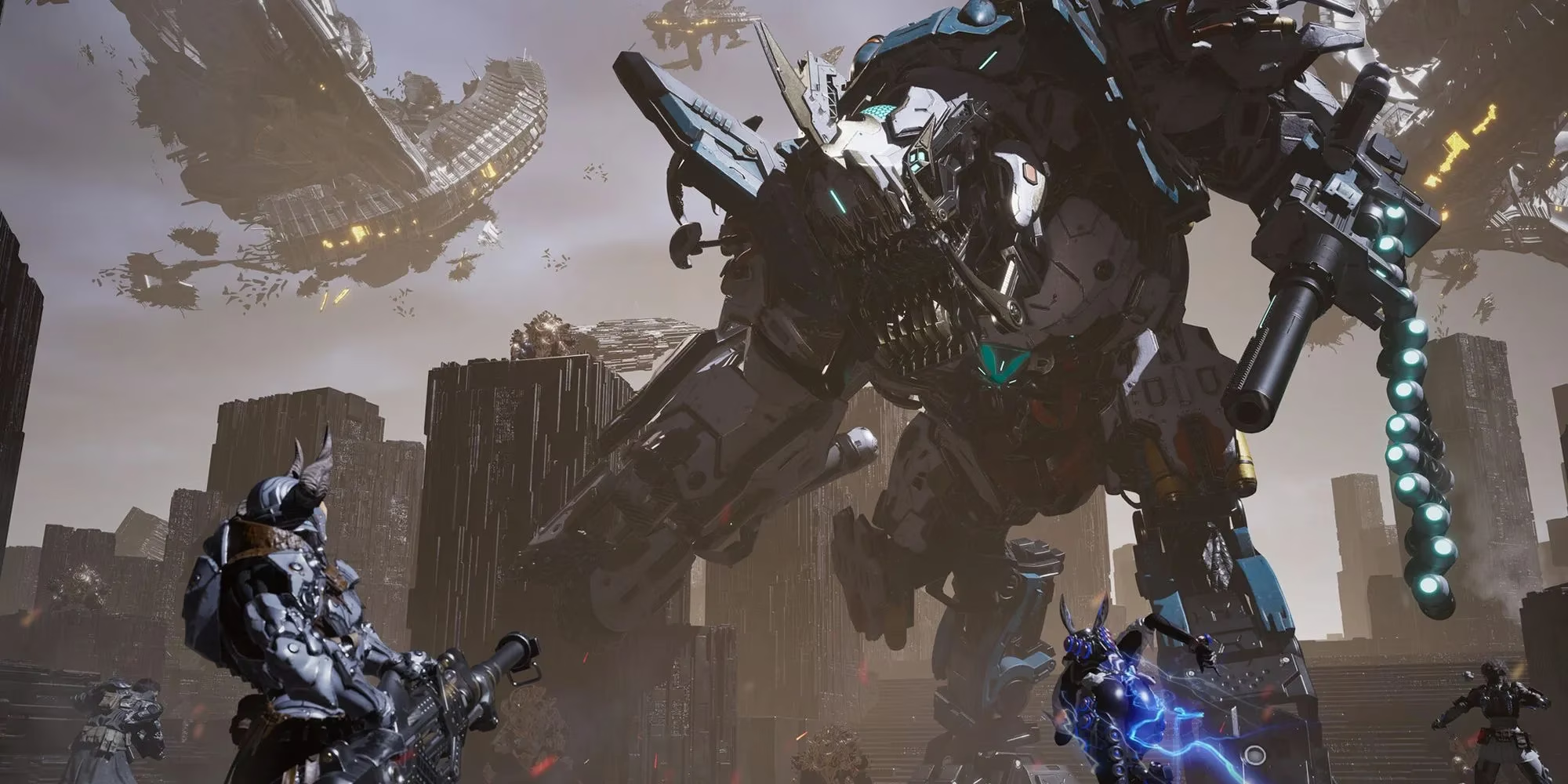
This might be The First Descendant's strongest card to play. Destiny 2 has become what veterans lovingly call "a part-time job"—the lore is deep, the systems are complex, and catching up feels like studying for an exam on a universe you've never visited. With multiple character deaths, faction resurgences, and cosmic retcons over the years, the narrative is practically a closed book to newcomers. The game does offer introductory missions and guidance systems, but the learning curve remains steep. You'll want a patient friend or a dedicated clan to show you the ropes.
The investment required to feel competent, let alone powerful, is significant. You need to understand mod systems, power level mechanics, seasonal artifacts, weapon crafting, and a dozen other interlocking systems. It's rewarding once you're in, but getting there requires dedication.
The First Descendant, by contrast, is practically designed for the casual drop-in. Since characters come pre-built with their ability sets, you can focus on the basics: shoot bad guys, collect loot, repeat. Missions are bite-sized (often 15-20 minutes), objectives are straightforward (defend this, destroy that), and the progression is linear. The game even lets you "shadow" other players—follow them into missions, join mid-fight, and still reap rewards. It's the video game equivalent of jumping into a pickup basketball game; no long-term commitment required.
This accessibility makes The First Descendant a perfect entry point for players new to the looter-shooter genre or those who want a less demanding experience. You can play for an hour, feel like you've accomplished something, and walk away without worrying about missing crucial story beats or falling behind some meta.
The Verdict: Different Planets in the Same Galaxy
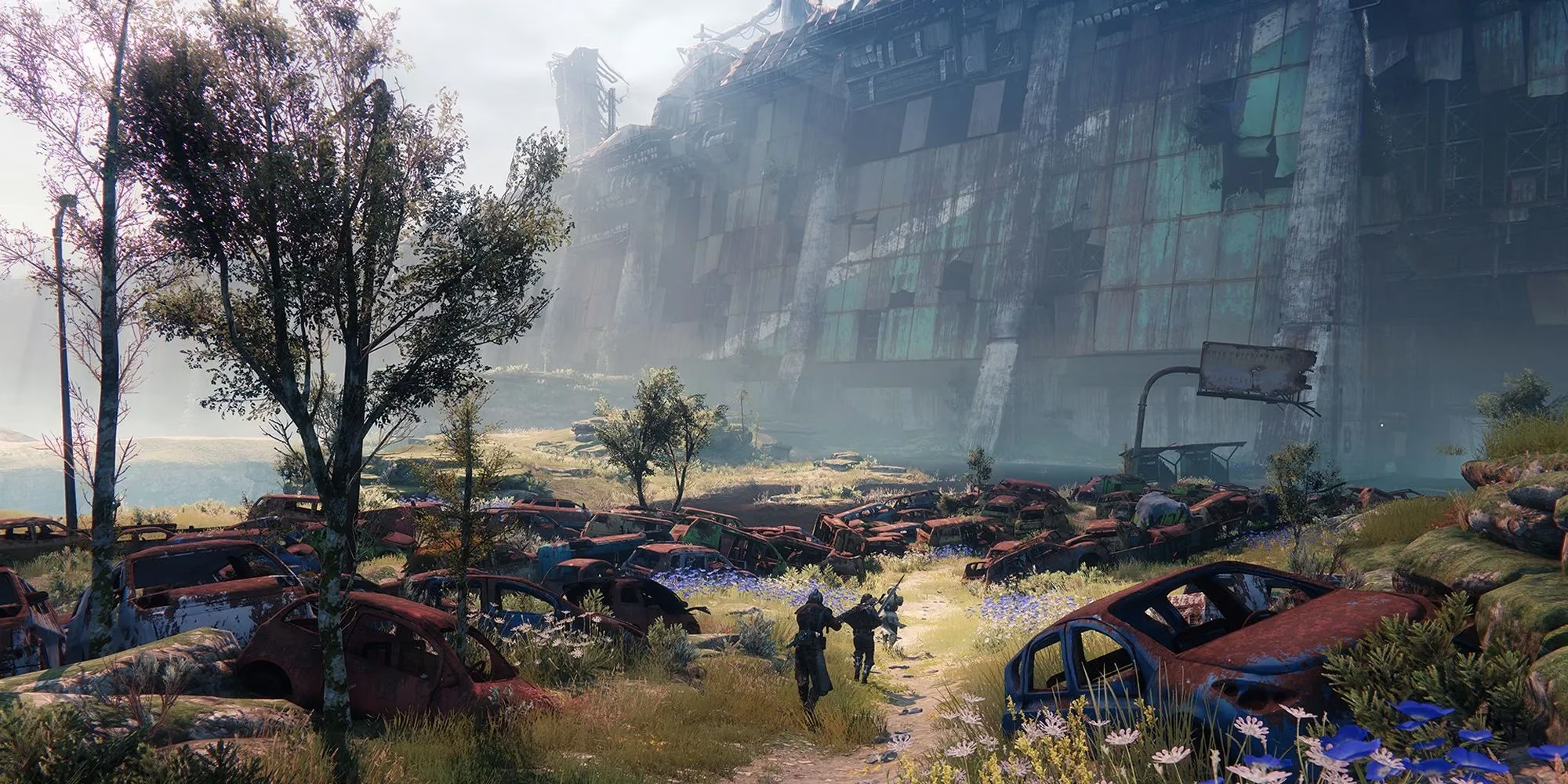
So who wins this cosmic clash? In terms of polish, depth, and consistency, Destiny 2 takes the crown—but that's almost an unfair comparison given its head start. Bungie's universe is more thoughtfully constructed, its combat more refined, and its endgame more satisfying for dedicated players. It's the premium streaming service of looter-shooters: expensive in time commitment but offering unparalleled production value for those willing to invest.
The First Descendant, meanwhile, is the fun B-movie you watch with friends. It's messy, sometimes confusing, but undeniably entertaining in short bursts. Its simplicity is both its greatest weakness and its most appealing feature. For players overwhelmed by Destiny's complexity or looking for a more casual sci-fi fix, it's a welcoming alternative.
Ultimately, the "better" game depends entirely on what you're looking for:
| Feature | Destiny 2 | The First Descendant |
|---|---|---|
| Story Depth | 🌟🌟🌟🌟🌟 (Epic, complex lore) | 🌟🌟 (Simple, often confusing) |
| Customization | 🌟🌟🌟🌟🌟 (Deep, build-crafting focus) | 🌟🌟 (Pre-made heroes, cosmetic focus) |
| Combat Feel | 🌟🌟🌟🌟🌟 (Crisp, responsive, balanced) | 🌟🌟🌟 (Fun but uneven, group-focused) |
| Accessibility | 🌟🌟 (Steep learning curve) | 🌟🌟🌟🌟🌟 (Easy to jump into) |
| Technical Stability | 🌟🌟🌟🌟 (Generally reliable) | 🌟🌟 (Frequent issues) |
| Time Commitment | High (Feels like a hobby) | Low (Perfect for short sessions) |
By 2026, both games have found their audiences. Destiny 2 remains the gold standard for players who want to live in a game world, mastering its systems and unraveling its mysteries. The First Descendant serves as the perfect palette cleanser—a game you play between more serious commitments, where the only objective is to have dumb fun with giant guns and flashy powers.
Maybe the real winner is us, the players, having two distinct approaches to sci-fi action living side by side. One offers a universe to get lost in; the other offers a playground to mess around in. Sometimes you want a seven-course meal, and sometimes you just want pizza. And in the vast buffet of gaming, there's room for both.
Data referenced from VentureBeat GamesBeat helps frame why Destiny 2 and The First Descendant can coexist in 2026: live-service shooters increasingly compete on retention loops, update cadence, and platform reach as much as raw gameplay feel. Through that lens, Destiny 2 reads like a mature ecosystem optimized for long-term engagement and expansion-driven reactivation, while The First Descendant positions itself as a more session-friendly alternative that leans on roster-based hero collection and spectacle to keep players cycling through short activities.