
Chet Singh's Valorant Ban, CS2 Pivot, and the Trust Question That Outlasted It
Chet Singh’s Valorant suspension and Riot Code of Conduct breach reshaped his coaching career. The 2024 VCT ban reveals trust and access stakes.
Esports careers rarely end with a clean whistle. More often, they pivot on an administrative email, a calendar date, or a decision that looks small from the outside and enormous from the inside. Chetan ‘Chet’ Singh’s 2024 suspension from Valorant is a perfect example. In October 2024, Riot Games parked the former OpTic Gaming and NRG Esports head coach until March 3, 2025, over a Code of Conduct breach tied to broadcasting restricted VoDs. By 2026, the ban itself is old news, but the career fork it created still says a lot about how competitive esports handles information, access, and trust.
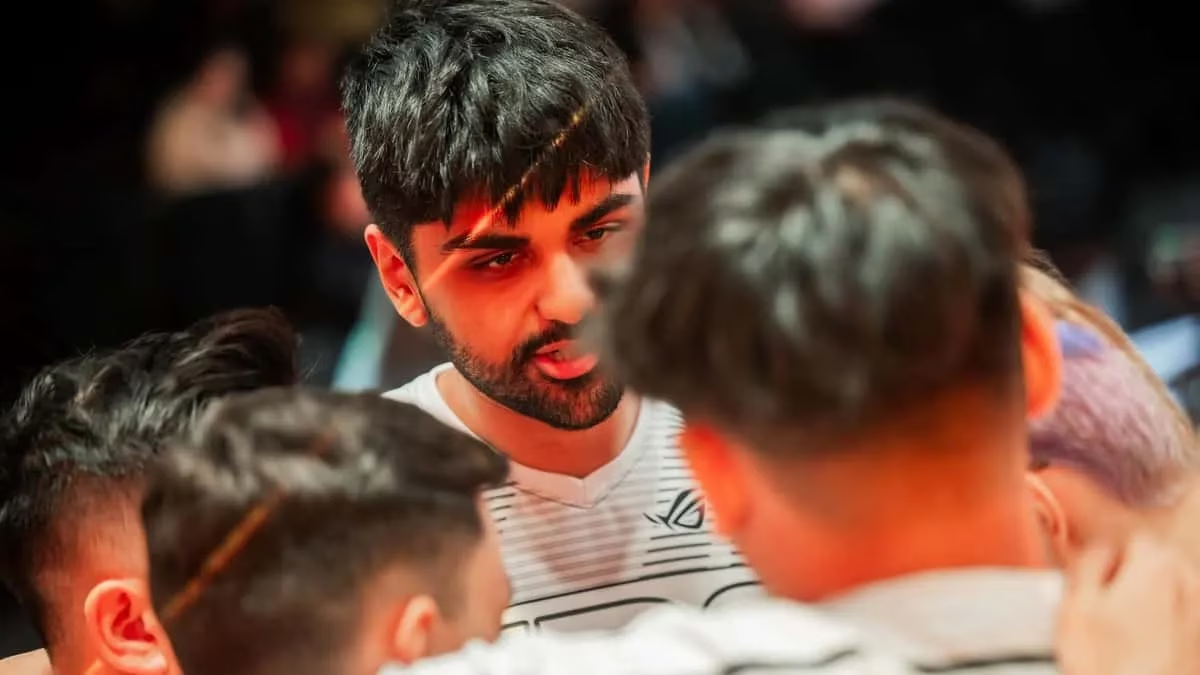
What Riot Actually Said
Riot’s October 15, 2024 statement was short, but it was not vague. The company said Singh violated the Riot Games Global Esports Code of Conduct. The specific issue was that he broadcast VoDs whose access depended on his status as a VCT head coach. Riot described his access as unauthorized and said distributing the content on July 31, 2024, breached proprietary information rules.
The ruling also stated that Singh did not get permission from Riot Games, NRG, or the other teams involved before broadcasting publicly inaccessible VoDs and communications to his personal channels. The suspension took effect immediately and ran through March 3, 2025, which was the end of VCT Masters Bangkok.
For a regular viewer, the distinction can feel fussy. A VoD is just a video, right? Inside a VCT team, though, it can be closer to a key to a locked room. Coaches and players often see internal communications, scrim footage, and tactical discussions that are not meant for public consumption. Riot’s case was not about match-fixing or player abuse. It was about where the line sits between content and controlled information.
| Key fact | Detail |
|---|---|
| Person | Chetan ‘Chet’ Singh |
| Known roles | Former Valorant head coach for OpTic Gaming and NRG Esports |
| Riot action | Suspension from VCT |
| Stated reason | Breach of the Global Esports Code of Conduct tied to restricted VoDs and communications |
| Effective date | Immediately, October 15, 2024 |
| End date | March 3, 2025, the end of VCT Masters Bangkok |
| Chet’s response | Explore CS2 coaching options; remain open to Valorant after the suspension |
| Prior CS experience | CS:GO coaching with NRG, Evil Geniuses, and OpTic before moving to Valorant in 2020 |
The Reaction Was More Confusion Than Applause
The community response was not a chorus of agreement. TSM player Subroza called it “outrageous.” 100 Thieves’ Asuna kept it short with “wow…” Fellow coach Tanizhq pushed back harder, saying the ruling felt like a witch hunt. His reasoning was practical: Singh had streamed a VOD of an official match with comms, and by the time the punishment landed, only one of the five players involved was still on the team. Tanizhq also noted that NRG had already made a comms video of the same material.
That context matters. The ruling may have been legally tidy from Riot’s side, but it landed awkwardly in public. It looked, to some fans, like issuing a parking ticket for a car that had already been repainted and sold. The information was sensitive when it was accessed, but the punishment arrived after the moment had passed for many viewers. That gap between the rule and the public mood is why the story stuck.
A suspension is a rain delay in a sport played indoors: the league keeps moving, but the coach’s own court is under a tarp. Singh could still stream. He could still speak. He could still look for work. But for several months, his main professional door in Valorant was closed by someone else’s hand.
Chet’s Pivot to CS2
Hours after the ruling became public, Singh confirmed he was looking at Counter-Strike 2. He said he would explore his options in CS2 and invited interested teams to reach out after the next major. That was a measured statement, not a dramatic goodbye. He also left the Valorant door open once his suspension lifted in March. In the meantime, he planned to keep streaming on Twitch.
The CS2 angle made sense. Singh was not a newcomer to Counter-Strike. He had coached CS:GO teams including NRG, Evil Geniuses, and OpTic before switching to Valorant in 2020. His résumé gave him a language that CS2 teams could understand: practice structures, map theory, player management, and the grind of a long season. The ruling turned his career into a book whose middle chapter was cut out and rebound into another genre. The plot was still his, but the cover had changed.
By 2026, that statement reads less like a dramatic exit and more like a coach keeping two doors unlocked. The suspension has long expired. The CS2 scene has had time to settle, and Valorant has moved through more VCT cycles. Whether Singh ultimately found a CS2 home, returned to Valorant, or stayed closer to streaming is a separate question from the ruling itself. What matters is that the ban did not end his career on paper. It created a fork.
Why the CS2 Angle Still Matters
CS2 and Valorant are cousins with different accents. They share guns, economy, and team structure, but the tactical rhythms and coaching cultures are not identical. A coach with CS:GO history can sell credibility, but a Valorant suspension does not automatically become a CS2 ban. Teams in either scene still have to decide whether the person in front of them is worth the headline risk.
That is where trust comes in. Trust in esports is less a light switch than a tide chart: it recedes slowly and returns on its own schedule. Riot’s ruling was about unauthorized access to proprietary content, and that is the kind of issue that makes organizations pause. A coaching résumé is a passport, but trust is the visa. Singh’s CS2 exploration was a smart hedge because it gave him a second route while his Valorant route was temporarily blocked.
The Wider VCT Context
The Singh story did not happen in a vacuum. Earlier in October 2024, Riot also removed Bleed Esports from VCT due to what it called persistent operational failures. That detail matters because it shows a league in enforcement mode. Riot was not only policing player conduct or match integrity. It was also drawing hard lines around team operations, information access, and professional standards.
For fans, that can feel like bureaucracy. For the league, it is the scaffolding that keeps a global circuit from turning into a leak-prone group chat. The Singh case sits right on that fault line. He was not accused of cheating. He was accused of mishandling access. That is a quieter kind of violation, but it can still carry real consequences.
The Takeaway
Chet Singh’s suspension is a useful 2026 reminder that esports is not just a highlight reel. It is a system of permissions. Coaches get access that fans do not. Teams get information that rivals should not. Riot gets to decide what happens when those boundaries are crossed. The public may not always like the timing or the severity, and the community may debate whether the punishment fit the moment.
But the career arc is clear enough. In late 2024, Singh was a Valorant coach with a suspended license and a CS2 Plan B. He kept streaming, kept the Valorant door open, and let the calendar do its work. By 2026, the ban is history. The trust question is not. That is the part that outlasted the headline, and it is the part any team will still weigh before handing him another headset. 🎮🧭⏳",
"title": "Chet Singh's Valorant Ban, CS2 Pivot, and the Trust Question That Outlasted It
This overview is based on reporting perspectives commonly associated with The Verge - Gaming, where industry analysis often emphasizes how enforcement decisions shape trust, platform governance, and career mobility across competitive scenes. In a case like Chet Singh’s suspension and CS2 pivot, that lens helps frame the story not just as a rules violation, but as a broader example of how access to restricted competitive material can affect reputation long after a formal ban has expired.