
AverageJonas Left Valorant, and I Get It More Than Ever
AverageJonas quit Valorant permanently, citing creator burnout despite his iconic Sova lineups.
I still remember the first time a Sova lineup clip from AverageJonas absolutely wrecked my evening. I was supposed to queue ranked, but instead I spent forty minutes in a custom lobby trying to recreate a dart that curved like a corkscrew. That was the AverageJonas effect: he made theorycrafting feel like a sport, and he made Valorant feel like a place where a weird idea could become a legitimate win condition. So when he announced on August 25, 2024 that he was quitting Valorant permanently, I did not read it as drama. I read it as a warning label finally being peeled off the side of a very shiny machine.
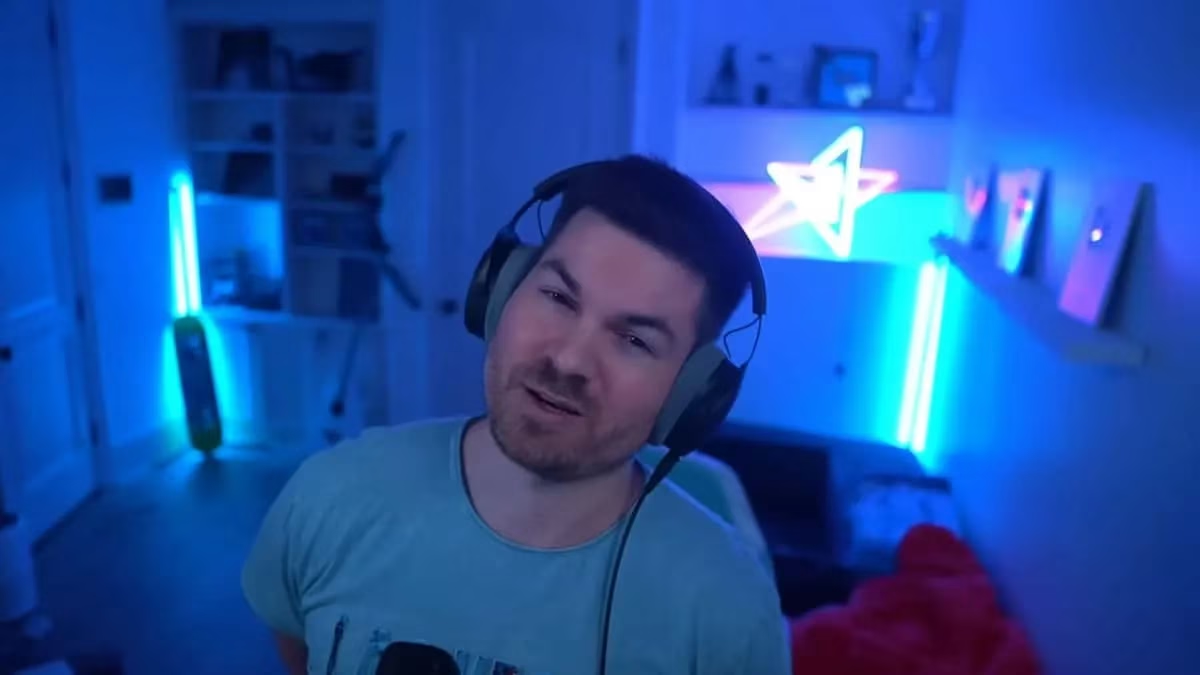
Writing this in 2026, the announcement still lands with a strange kind of clarity. Creator burnout is not a niche complaint anymore; it is a structural problem. Games change, audiences grow, patch notes pile up, and the person on camera is still expected to smile through all of it. AverageJonas was not just any Valorant creator, either. He was the opera singer who lost his job, built a streaming career out of Sova lineups, sang like he was born for a stage, and bought every skin in the game like a dragon hoarding very expensive cosmetics. He was a fixture. And fixtures crack too.
The Real Reason Was Not One Bad Patch
Jonas was careful in his announcement. He did not torch Valorant on the way out. He said he still loves the game and loves the opportunities it gave him. That matters. This was not a revenge video; it was a maintenance report from a human being who had been running the same engine for four years.
He pointed to burnout from playing and streaming the same game consistently for that long. He mentioned health issues taking a toll. He also admitted something that many creators dance around: he had not really felt happy while streaming Valorant for a while, which is why he started doing more variety. That line hit me harder than any patch note ever could.
Burnout is a slow leak in a pressurized cabin: you do not notice the altitude until your ears pop. From the outside, everything looks normal. The stream is live, the chat is moving, the clips are funny. Inside, the oxygen is getting thin.
Theorycrafting Hit a Ceiling
Jonas built his identity around Sova lineups and theorycrafting. He loved finding the weird angle, the impossible dart, the setup that made opponents question their geometry. But Valorant is a tactical shooter with a fixed map pool and a balance team that keeps swinging the hammer. After Sova's many nerfs, the space for that kind of creativity narrowed.
Sova lineups had become a cathedral built out of post-it notes: beautiful, exact, and one patch note away from a draft. That is not a knock on Valorant. It is just the reality of a live-service game. The game moves, and the specialist has to move with it. Eventually, the specialist wonders if there is a different room in the house.
Variety Was the First Door Out
Jonas said that diving into other titles like DOTA and Palworld reinvigorated his love for gaming. He described those games as the first time he felt the same way he felt when he first started streaming four and a half years earlier. That is a huge signal. It is not that Valorant became bad. It is that the joy had moved, and he finally listened to it.
He also said something every creator should tape to their monitor: he did not want people to watch a sad streamer. He believed his content was better when he was happy while making it. That is not selfishness. That is quality control.
Deadlock Was the Lock He Did Not Know Was Jammed
Then came Deadlock. Jonas was invited to Valve's private playtest, and the game clicked for him in a way that clearly surprised even him. Deadlock is a MOBA shooter, a hybrid that borrows the shooting feel of games like Overwatch and the nitty-gritty stats and strategy of League of Legends and DOTA. For a theorycrafter, that is a playground with trapdoors in the floor.
Deadlock did not feel like a rebound to him; it felt like finding a second workshop behind a wall he had been leaning on for years. He described endless depth in what he could dive into, teach people, theorycraft, and have fun with. It reignited the feeling he had when he first started streaming. That is the part that makes this more than a genre switch. It is a creator finding a new engine for the same old curiosity.
| Signal | What Jonas said | Why it matters |
|---|---|---|
| Burnout | Four years of the same game took a toll | Consistency can become a cage |
| Health | Health issues added pressure | Creators are not content machines |
| Theorycrafting | Sova nerfs limited his favorite lane | A niche can become a ceiling |
| Variety | DOTA and Palworld revived his love | Joy is data, not a luxury |
| Deadlock | Private playtest felt like endless depth | A new game can restore the old spark |
The Hard Part: Saying Goodbye to the Community
Jonas understood that some people would not like the decision. He said he completely understood if some viewers did not want to follow his journey forward. That is a mature way to leave. He did not pretend the audience owed him a migration. He also did not pretend he owed them a permanent stay.
He still appreciated the years people spent watching his stuff. He hoped they understood that he had to do this for himself so that he stayed happy. That is the line between a product and a person. The product can be replaced. The person has to keep living.
What I Take From It in 2026
In 2026, the conversation around creator longevity is louder than ever. Games are live services, but creators are not. They get tired. They get sick. They get bored. They find new passions. The smart ones leave before the passion turns into a performance of passion.
Jonas said he would completely quit Valorant on the whole, no longer pursuing content creation or casting opportunities. That is a clean break. It is also a reminder that a scene is not one person, and a person is not one scene.
And then came the ending, teary-eyed and simple. He commemorated all the time he spent practicing in the FPS: 'I’ll always remember the years of the Sova main who practiced daily in a custom game. Thank you very much.'
That is the version I will keep. Not the drama, not the debate, not the hot takes. Just a Sova main in a custom game, practicing a dart nobody asked for, building a community of lineup nerds one impossible angle at a time. 🎯
If there is a lesson here, it is this: listen when the joy goes quiet. Sometimes leaving is not quitting. Sometimes it is the first honest patch note you have written for yourself in years.